

.webp)





.svg)





.svg)
.svg)
Still Deciding? Start Here.
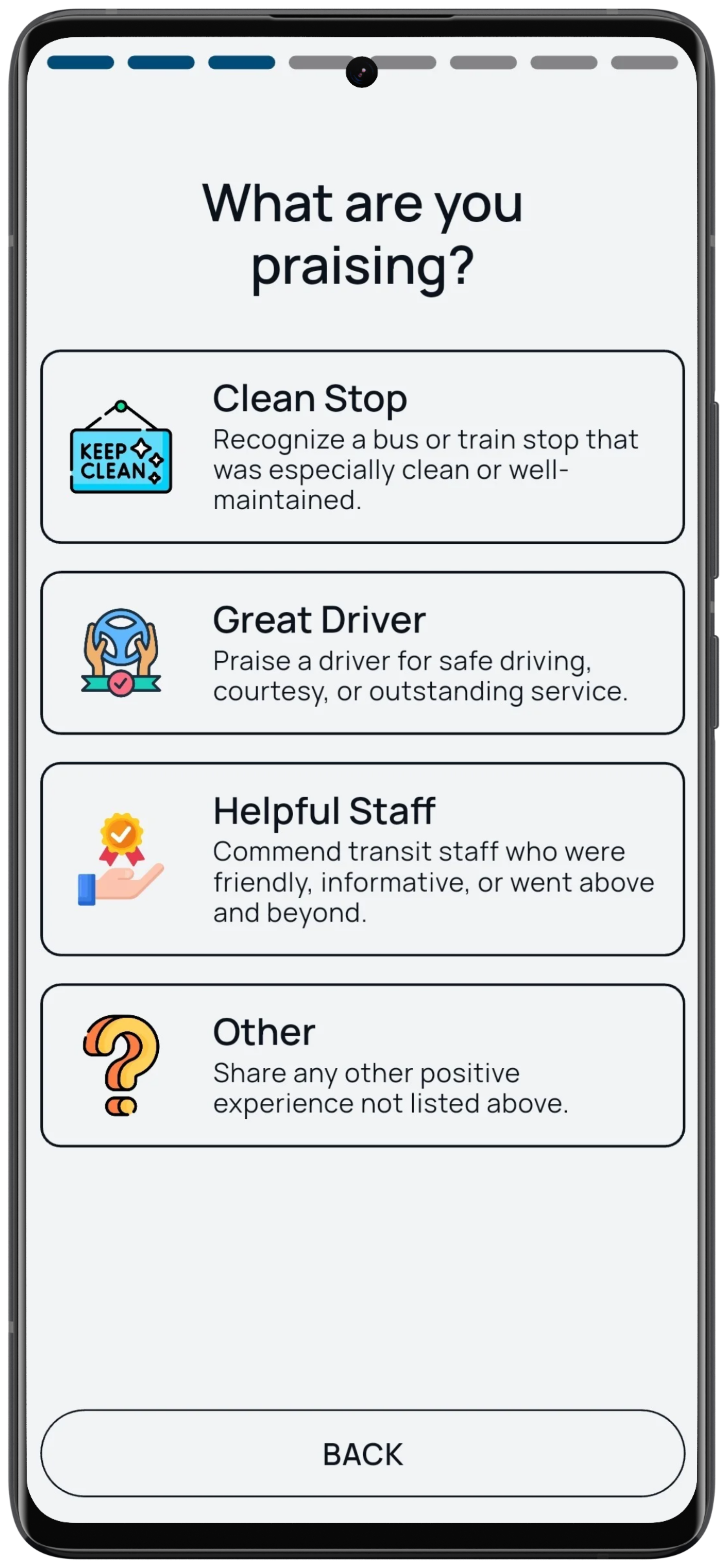
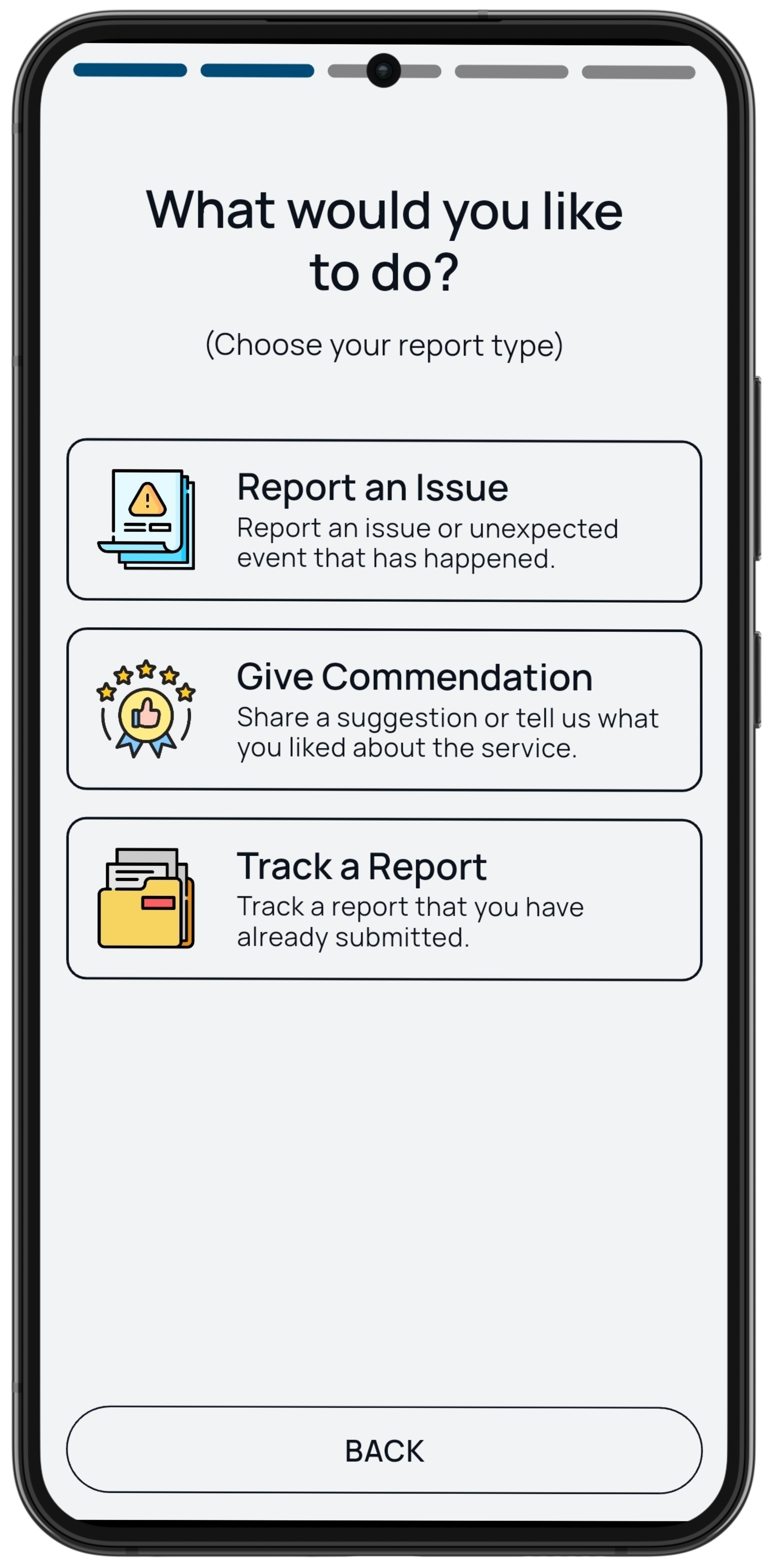
We meet riders where they are—any language, any platform. They can use text, voice, email, or web to report issues. We auto-tag details like route, location, and time, so all they have to do is focus on what happened. The entire process takes under 30 seconds. This removes friction and dramatically increases the volume of feedback you receive compared to traditional comment cards or phone lines.
Customer service is reactive—it responds when something goes wrong. Customer experience is proactive—it shapes the entire rider journey to prevent problems before they occur. FlagTransit enables both: immediate response to individual reports plus trend analysis that helps you identify systemic issues like recurring cleanliness problems on specific routes or peak-hour safety concerns. When you design for experience, you reduce the complaints that require service.
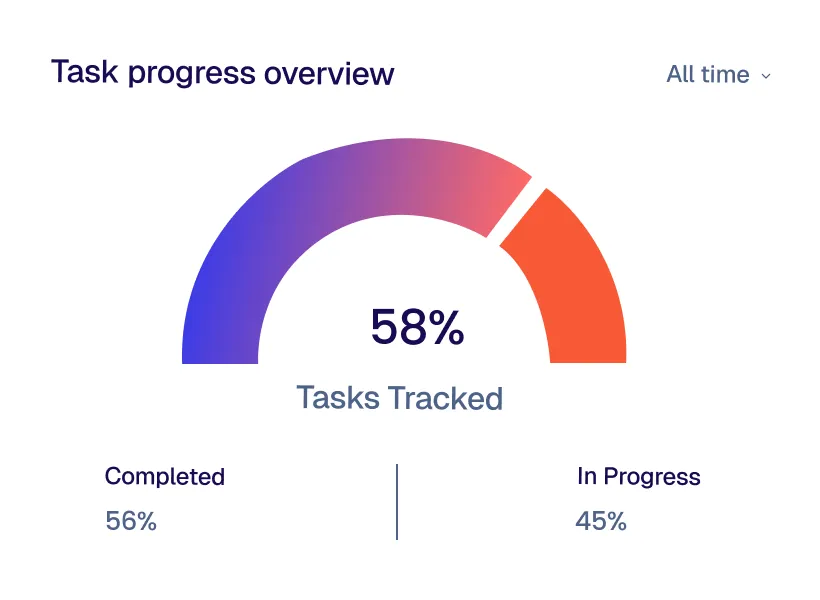
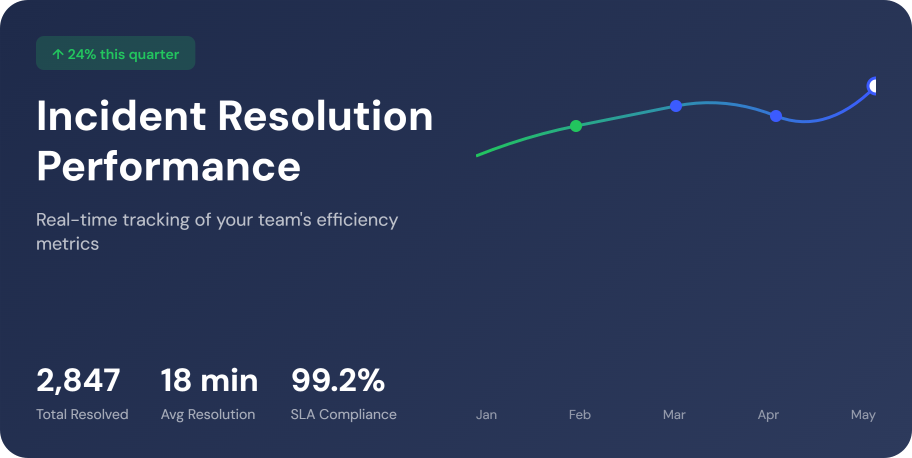
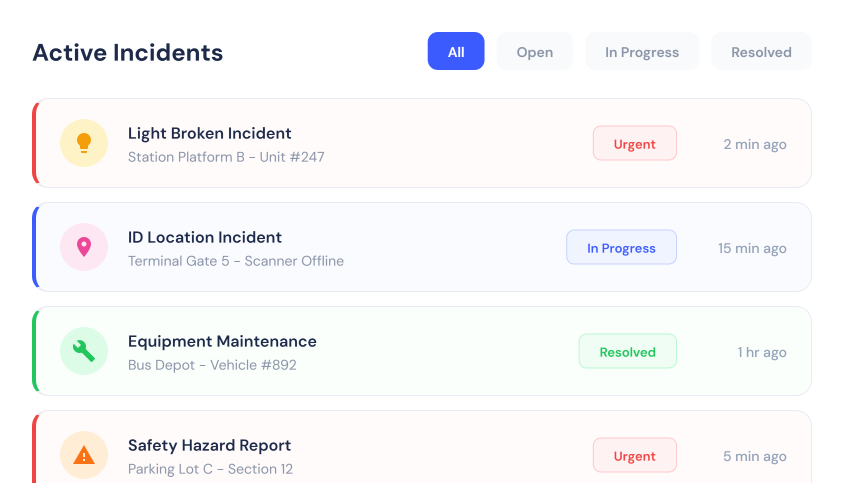
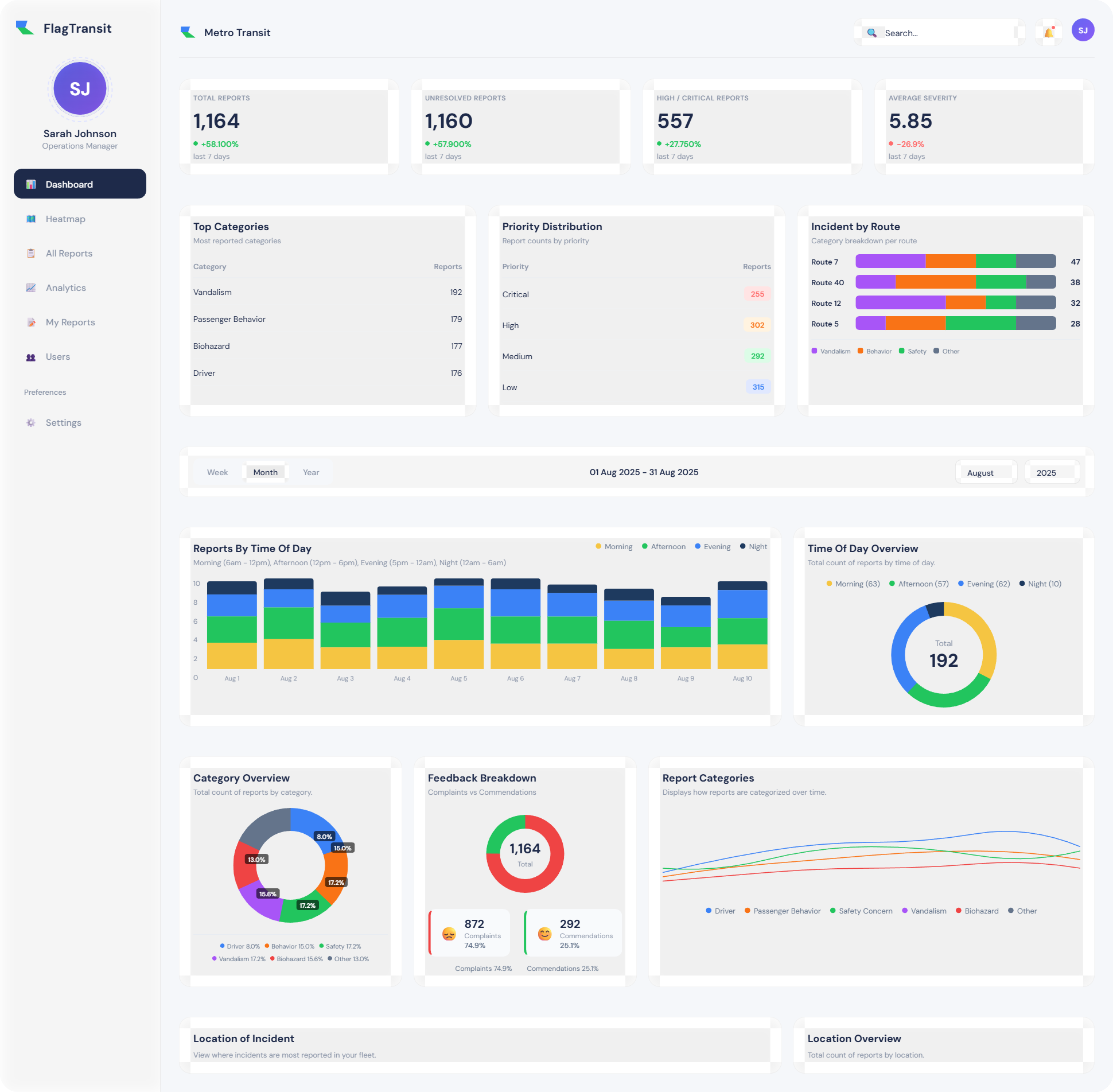
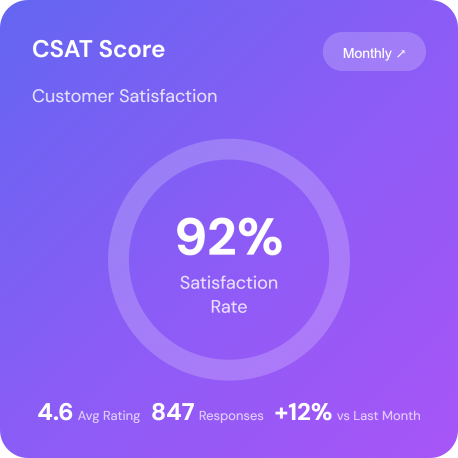
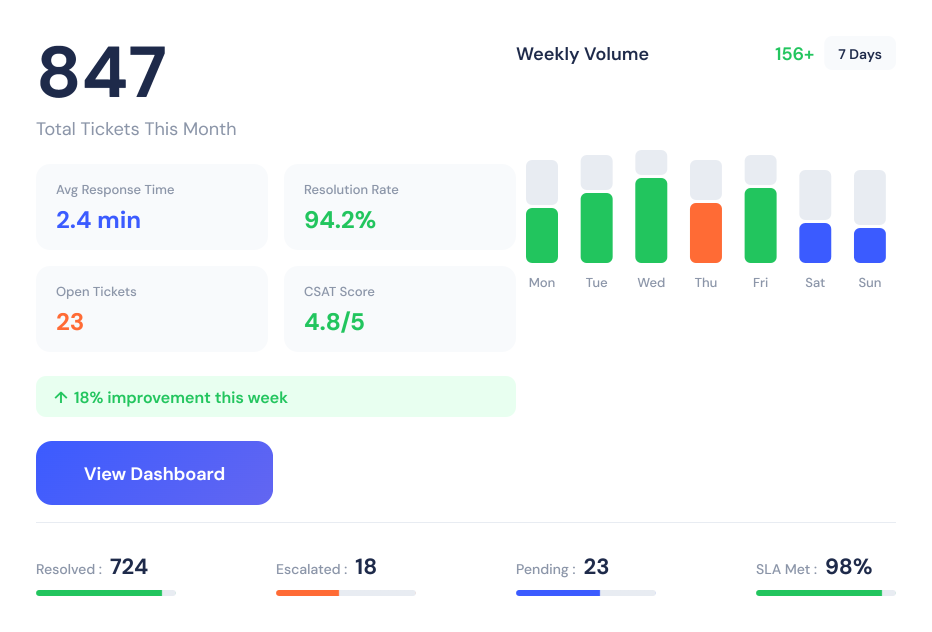
The platform tracks key CX metrics in real time: CSAT scores, average response times, resolution rates, and feedback volume by category, route, and time period. You can filter by issue type (cleanliness, safety, ADA, harassment) to understand where satisfaction is strong and where it needs attention. As your documents note: "You cannot manage what you do not measure"
Yes. When demographic questions are embedded in your feedback surveys, you can cross-tabulate satisfaction results with Title VI variables. This reveals whether minority or low-income riders experience lower satisfaction on specific routes or service types—turning a compliance exercise into actionable equity insights. One data collection effort serves both customer experience and federal reporting requirements.
Rider perception of safety and reliability directly affects whether people choose transit. Agencies that demonstrate measurable improvements—shorter response times, higher resolution rates, increased satisfaction scores—build credibility with customers, boards, and funding partners. As one of your case studies showed, Toledo passed a transit sales tax on the second attempt specifically because leadership could show voters concrete outcomes rather than just asking for money. Performance builds trust, and trust attracts investment.

